 Why It's Vital for Women to Prioritize Regular Chiropractic Care!!
Introduction: For generations, women have endured the relentless pain of menstrual cramps. Despite the array of temporary solutions available, the discomfort persists month after month. It's time for every woman to grasp two crucial facts: menstrual cramps are not normal, and there is a way to alleviate the pain by addressing the underlying imbalances in the body. This is where chiropractic care enters the picture. Body:
0 Comments
Unlocking the Key to Low Back Pain and Hip Stiffness: The Crucial Role of TFL Muscle Stretching19/6/2023 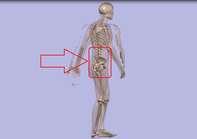 Introduction: In today's fast-paced world, many individuals lead sedentary lifestyles that often result in various musculoskeletal issues. Among the common complaints, low back pain and hip stiffness tend to top the list, affecting people of all ages. While there can be several underlying causes for these conditions, one muscle that plays a significant role in their development is the Tensor Fasciae Latae (TFL). Understanding the importance of TFL muscle stretching can be the key to relieving low back pain and hip stiffness, allowing individuals to regain their mobility and live a pain-free life. The Mighty TFL: A Powerful Culprit The TFL is a small muscle located on the lateral side of the hip, connecting the iliac crest to the iliotibial band (IT band). It acts as a hip flexor, but it also contributes to hip abduction and internal rotation. Due to its location and functions, the TFL often becomes tight and overactive, leading to a range of issues in the surrounding areas. Low Back Pain: The Ripple Effect The tightness and overactivity of the TFL can have a profound impact on the lower back. As the TFL pulls on the IT band, it can create tension and imbalance throughout the entire kinetic chain. This imbalance places excessive stress on the lower back, causing discomfort and, over time, potentially leading to chronic low back pain. By addressing the root cause—the TFL tightness—individuals can experience a significant reduction in their low back pain and prevent further complications. Hip Stiffness: A Roadblock to Mobility The TFL's tightness can also contribute to hip stiffness, limiting the range of motion and affecting daily activities such as walking, squatting, or even sitting for extended periods. When the TFL is constantly contracted, it inhibits the opposing muscles, such as the gluteus medius, which is responsible for hip stability and proper alignment. Consequently, hip stiffness becomes a common complaint. Stretching the TFL can help restore balance and flexibility, unlocking the hips and allowing for improved mobility. The Healing Power of TFL Muscle Stretching Incorporating TFL muscle stretching into your daily routine can have remarkable benefits for low back pain and hip stiffness relief. Here are some effective techniques to consider:
Conclusion: Embrace Freedom and Relief Low back pain and hip stiffness can significantly impact our quality of life, but by understanding the crucial role of TFL muscle stretching, we can break free from these constraints. By addressing the root cause, the TFL tightness, individuals can alleviate low back pain, improve hip mobility, and restore balance to their bodies. Embrace the healing power of TFL muscle stretching and unlock the path to freedom and relief—a Introduction: Maintaining good posture is crucial for our overall health and well-being. Unfortunately, in today's sedentary lifestyle, many individuals suffer from postural issues such as anterior head carriage (forward head posture) and the development of a hump in the upper back. These conditions not only affect our appearance but can also lead to discomfort, muscle imbalances, and even long-term health problems. The good news is that exercise can play a significant role in correcting these postural issues and improving your overall posture. In this article, we will explore the importance of exercise and provide practical tips on how to improve your posture. Understanding Anterior Head Carriage and Upper Back Hump: Anterior head carriage refers to the forward positioning of the head in relation to the shoulders. This is often a result of spending long hours in front of screens, poor ergonomics, and weak neck and upper back muscles. Over time, anterior head carriage can lead to muscle imbalances, strain on the neck and shoulder muscles, and increased pressure on the cervical spine. The hump in the upper back, also known as a Dowager's hump or kyphosis, is an excessive rounding of the upper thoracic spine. This condition is commonly seen in individuals with poor posture, osteoporosis, or prolonged slouching. The upper back hump not only affects our appearance but can also cause pain, limited mobility, and breathing difficulties. The Importance of Exercise in Correcting Postural Issues: Exercise plays a pivotal role in correcting anterior head carriage and the hump in the upper back. Here's why:
In addition to the exercises mentioned above, incorporating targeted exercises demonstrated in the accompanying video can greatly enhance your efforts to improve your posture. The video showcases specific exercises that focus on strengthening the neck, upper back, and core muscles, as well as stretching tight areas that contribute to anterior head carriage and the upper back hump. These visual demonstrations provide a clear understanding of proper form and technique, making it easier to follow along and perform the exercises correctly. By incorporating the exercises from the video into your regular exercise routine, you can effectively address postural issues and work towards achieving a healthier, more aligned posture. Remember to start slowly and gradually increase the intensity and duration of your workouts as your strength and flexibility improve. Consistency is key, so aim to perform these exercises at least a few times a week for optimal results. Conclusion: Improving your posture is essential for maintaining a healthy body and preventing long-term health problems associated with anterior head carriage and the hump in the upper back. Regular exercise, combined with proper stretching and strengthening techniques, can help you correct these postural issues and enhance your overall well-being. By incorporating the exercises demonstrated in the accompanying video and following the tips outlined in this article, you'll be well on your way to achieving better posture and enjoying the benefits that come with it. Take charge of your posture and start your journey towards a healthier, more aligned you! The Importance of Stretching Hamstrings and Calf Muscles for Lower Back Pain Relief and Flexibility19/5/2023 Introduction: Lower back pain is a prevalent condition that affects millions of people worldwide. While several factors can contribute to this discomfort, poor flexibility and muscle tightness often play a significant role. In particular, tight hamstrings and calf muscles can lead to lower back pain. In this blog, we will explore the importance of stretching these muscle groups and how enhancing flexibility can help alleviate lower back pain. Understanding the Connection: The human body is a complex and interconnected system. When certain muscles become tight or imbalanced, it can impact the alignment and mechanics of other areas. In the case of lower back pain, tight hamstrings and calf muscles can place excessive stress on the lower back, leading to discomfort and pain. Hamstring and Calf Muscles: The hamstrings are a group of three muscles located at the back of the thigh, namely the biceps femoris, semitendinosus, and semimembranosus. These muscles play a crucial role in hip and knee movement. The calf muscles, including the gastrocnemius and soleus, are located at the back of the lower leg and are responsible for foot movement and stability. Importance of Stretching:
The Power of Chiropractic In 1921, Henry Winsor, MD, a doctor in Haverford, Pennsylvania, aged the question: "Chiropractors claim that by adjusting on vertebrae, they can relieve stomach troubles and ulcers; by adjusting another , menstrual cramps; and by adjusting others conditions such as kidney diseases, constipation, heart disease" thyroid condition, and lung disease may resolve-but how?" He planned an expert Henry Winsor, an MD from Pennsylvania, was interested in how patients were getting better from chiropractic care. He planned an experiment to dissect human and animal cadavers and see the relationship between the health of the spine and the diseased organs he found. With a total of 75 human and 22 cat cadavers, he found 221 diseased organs. Of those 221 diseased organs, 212 of them had nerve root damage or spinal subluxation at its corresponding levels. Some of these disease categories: STOMACH DISEASES - Nine cases of stomach disease all had spinal misalignments in the mid-dorsal or thoracic spine (between the shoulder blades). LUNG DISEASE - Twenty-six cases of lung disease had spinal misalignments in the upper dorsal region, an area slightly below the neck. LIVER DISEASE - Thirteen cases of liver disease were associated with misalignments in the lower mid-dorsal region. GALLSTONES - Five cases of gallstone disease associated with related spinal misalignments. PANCREAS - Three cases of pancreas disease associated with related spinal misalignments. SPLEEN - Eleven cases of spleen disease associated with spinal misalignments KIDNEY - Seventeen cases of kidney disease had the lower dorsal (thoracic) 10th, 11th, 12th, vertebrae out of alignment. PROSTATE AND BLADDER DISEASE - Eight cases of prostate and bladder disease had the lower back vertebrae misaligned (specifically the 1st, 2nd, and 3rd lumbar vertebrae.) UTERUS - Two cases of uterus conditions had the second lumbar misaligned. THYMUS - Two cases of thymus disease had lower neck and upper back misalignments. NEARLY 100% CORRELATION BETWEEN THE SPINE AND DISEASED ORGAN! Dr. Winsor’s results were published in the respected medical journal, The Medical Times, and can be found in any medical library. But Dr. Winsor was not alone in his findings for similar studies by other researchers over the next few decades would confirm his initial conclusions. 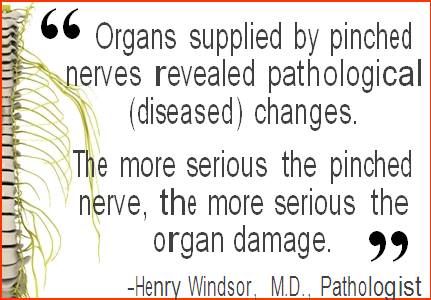 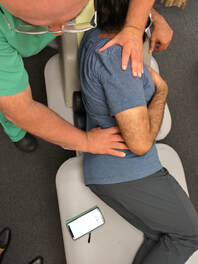 If you are a current patient in my practice - Soft Touch Chiropractic in Porter Ranch, CA, you may or may not have already heard me talk about some of these treatment modalities. I offer these in my office to specifically target problem areas of pain, stiffness and inflammation of the joints and muscles.
This overview will give you an idea of what treatments are available to help you reach your health goals and alleviate your pain.
 Very much like the lessons learned from smoking cigarettes, over the last three decades, the chiropractic community has learned lessons about the negative effects of prolonged sitting at a desk. In my practice, Soft Touch Chiropractic in Porter Ranch, CA, anywhere between 30%-40% of my patients come to me with pain caused by prolonged sitting. When the personal computer became ubiquitous, we realized that hunching over the keyboard was bad for our posture and caused neck pain. Chiropractors began advising patients then to sit up straight instead of bringing their shoulders forward towards the monitor. The sale of ergonomic chairs and back support devices skyrocketed. In the 1990’s we found out that sitting up straight was not optimal, so we advised patients to bring their monitors to eye level. In the early 2000's we found that all that was not enough to ameliorate the problem so we advised patients to sit back on their chairs 135 degrees and bring the monitor above eye level. In 2021, we now have come to the conclusion that standing is the best position for working at a desk and sitting is detrimental to a person’s overall health. Each solutions brought progressive relief but it was not enough. None of them were optimal solutions. The conclusion is, don’t sit. Sitting for prolonged periods of time interferes with the natural movement of the ribs, constricting the flow of breath. It also interferes with the lymphatic system which is responsible for carrying toxins out of the body. The absolute best thing to do, if you have to work at a desk in front of a desktop or laptop, is to stand with a soft surface under your feet whether it be well-soled shoes or a cushioned mat. Raising work stations are now available in many different forms. It’s fine to stand for a while and sit for a while, but it’s best to spend the majority of the time standing. While standing, the screen you are working on should be at a level where you don’t have to hunch over at the shoulders. If your work requires you to spend the majority of your time in front of a screen, consult your chiropractor on solutions to relieve back pain, neck tension and improve your posture. If you are in the Valley area of Los Angeles, call Dr. Masoud for a free exam 818-831-0100.
Do you know anyone who suffers from Type 2 diabetes? You can bring them hope by encouraging them to watch the documentary below: Simply Raw - Reversing Diabetes in Thirty Days.
Although not an easy journey, it is possible to use nutrition to heal the body of insulin resistance. If you or someone you care about is looking for answers, or an alternative to medicine, watch the video and then call our office for a nutritional consultation. 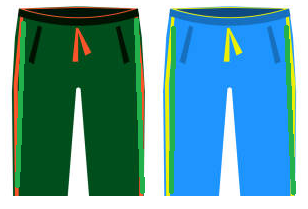 A chiropractic appointment is not like a medical appointment. In order for me to accurately diagnose a patient at my practice, Soft Touch Chiropractic in Porter Ranch, CA. I need to palpate a patient’s muscles, spine and other joints. This is the method by which I analyze pain.
The best thing to wear is loose, comfortable clothing which does not restrict body movement. The shirt or top should be easy to lift for me to examine the back. In my office, I perform physiotherapy which involves the use of gels and balms which may end up on a patient’s clothes in spite of my best efforts to keep the gel contained. Wearing old t-shirts, sweat pants, loose leggings and the like are best. Clothes like tight jeans, overalls, jumpsuits, suits, or tight tops make it difficult to work with the patient. It’s best to dress in clothes you don’t mind washing and maybe staining. My goal is to give each patient the best possible experience while at my practice. A patient’s ease of movement helps me do that. For further clarification please call Dr. Masoud 818-831-0100.  During my tenure at Soft Touch Chiropractic in Porter Ranch, CA, I noticed the speed with which my patients recover from pain depends on whether or not they follow my post-care recommendations at home. Those who follow my recommendations recover faster and their results last longer. One of the top recommendations I make is to stay away from anything that causes inflammation. Animal Fat Meat, especially processed or salted meat, causes a great deal of inflammation. Remember these products can hide in dishes like pasta, pizza and stews. Products like deli meat, salami, pepperoni, sausage, prosciutto and canned meat can keep a person in prolonged pain. Undigested meat can remain trapped inside the villi of the small intestine anywhere from 72 hours to 1 year. When it ferments, it causes severe acidity and inflammation. Our bodies react by producing antibodies which cause allergies and greater inflammation. If you need to find an alternative, you can eat a plant-based product such as Impossible Meat. Dairy Products Cheese, yogurt, milk and milk products have the same effect as meat. Dairy contains casein protein which is also a source of inflammation. Instead, you can find cheese products made out of almond, coconut, cashew or rice. Coconut yogurt is just as tasty as cow milk yogurt. It is surprising how similar the taste of these alternative products is to dairy. Sugar, Corn Syrup and Sugar-Filled Products We’re all too familiar with cookies, candy, muffins, pastries and the like. However, sugar can hide in other products like ketchup, canned food, sports beverages and of course soda. Sugar can overwhelm the nerve cells. Imagine standing next to a loudspeaker. Even if you like to listen to music, when it is too loud, it’s no longer enjoyable and you might lose your hearing. Glucose molecules play the same role in the nerve cells. The cells like the sugar but too much of it is like the loud music and over time the nerve cells get irritated and die. Thankfully we have billions of them, however, when you have severe musculoskeletal pain your nerves are under great attack and irritation already and you don’t want to stimulate your nervous system with sugar. Also stay away from sugar substitutes such as xylitol or aspartame. Instead, I recommend you use stevia or coconut sugar. Alcohol This category includes: wine, beer, hard liquor and spirits, as well as over the counter medications which contain alcohol. Even the slightest hint of alcohol can bring back the inflammation which you are trying to get rid of. If you are currently experiencing back pain, and have not seen a chiropractor, it would be in your best interest to stop eating these inflammatory foods and make an appointment to see your local chiropractor. |
New Patient SpecialArchives
July 2024
Categories |
 RSS Feed
